
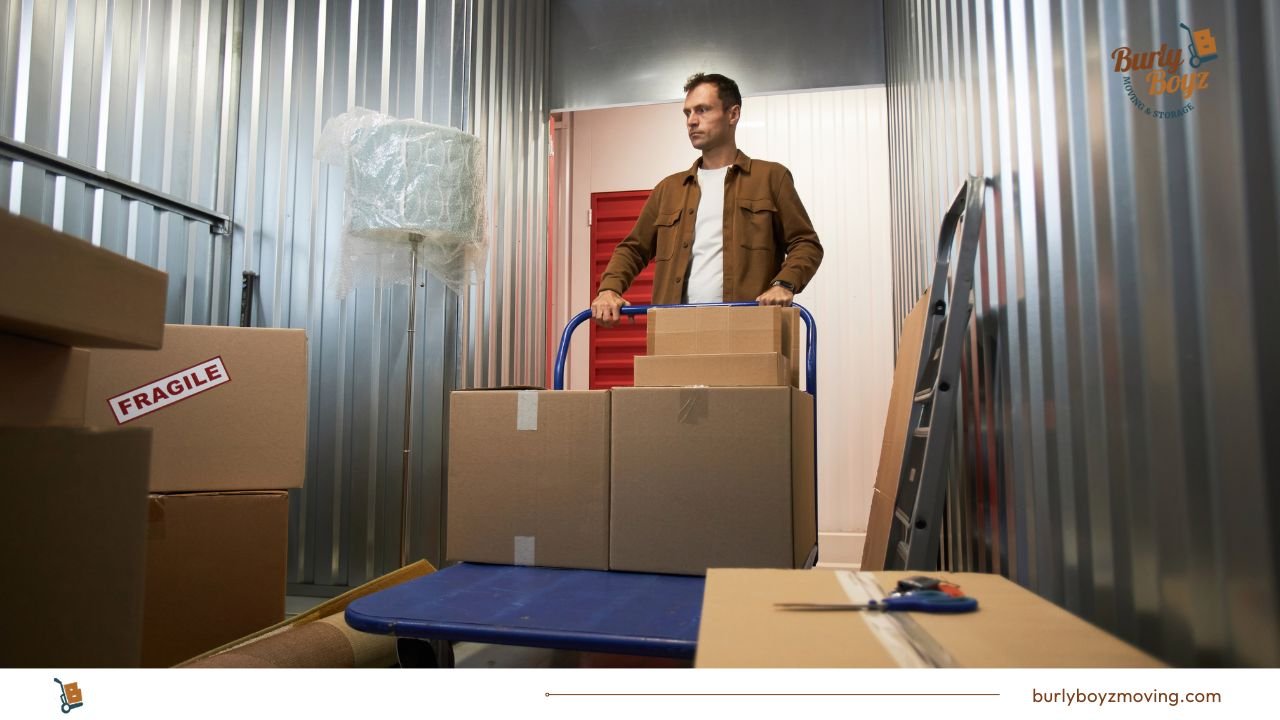
Are you feeling overwhelmed by the task of choosing the proper storage unit for your needs? It doesn’t matter a lot if you’re downsizing, decluttering, or needing extra space during a move, finding the perfect storage solution is crucial.
Here, we will guide you through essential factors when selecting a storage unit, including size, location, security, climate control, and costs.
Additionally, we’ll explore how integrating moving and storage services can simplify your transition. Burly Boyz Storage and Moving Company offers comprehensive storage solutions and professional moving services, ensuring a seamless and stress-free experience.
Read on to discover how to make the best choice for your storage needs and how Burly Boyz can support you every step of the way!
Determine Your Storage Needs
When choosing the right storage unit, the first step is to accurately determine your storage needs. This involves assessing the items you plan to store, considering the duration of storage, and understanding any specific requirements for your belongings. Here’s how to evaluate your storage needs effectively.
Assessing Items
Start by taking a detailed inventory of the items you plan to store. Categorize them by type, size, and fragility. For instance, list furniture pieces, boxes of household goods, seasonal items, and any delicate or valuable items that may require special care. This inventory will help you visualize the amount of space needed and determine whether any items need specific storage conditions, such as climate control.
Benefits
- Space Estimation: Knowing exactly what you need to store allows you to estimate the required storage space accurately. This prevents overestimating or underestimating the unit size, ensuring you don’t pay for unused space or run out of room.
- Item Protection: Identifying items that require special care helps you choose a unit that offers the necessary features, such as climate control for sensitive items like electronics or antiques.
Short-Term vs. Long-Term Storage
Consider whether you need storage for a short period or an extended duration. Short-term storage might be necessary during a move, home renovation, or seasonal storage needs. Long-term storage is often used for items you don’t frequently need but want to keep, such as family heirlooms, business inventory, or archived documents.
Benefits
- Cost Efficiency: Understanding the duration helps in budgeting and selecting the most cost-effective option. Some facilities offer discounts for long-term rentals, while others may have flexible short-term agreements.
- Access Frequency: If you need frequent access to your items, choose a unit that provides easy access. For long-term storage, prioritize security and protection over frequent accessibility.
Choose the Right Size
Selecting the right storage unit size is crucial for optimizing space utilization and ensuring cost-effectiveness. Choosing a unit that is too small can lead to cramming and potential damage to your belongings, while a unit that is too large means paying for unused space. Here’s how to choose the appropriate storage unit size for your needs.
Size Options
Storage units come in various sizes, each suited for different quantities and types of items. Common storage unit sizes include:
- 5’x5’: This size is roughly equivalent to a small closet and is ideal for storing a few boxes, seasonal items, or small furniture pieces.
- 5’x10’: Similar to a walk-in closet, this unit can hold the contents of a small bedroom, including a bed, dresser, and several boxes.
- 10’x10’: This size is suitable for the contents of a one-bedroom apartment, including larger furniture pieces, appliances, and boxes.
- 10’x15’: This unit can accommodate the contents of a two-bedroom apartment or house, including larger furniture and appliances.
- 10’x20’: Ideal for a three-bedroom house, this size can hold large furniture, appliances, and many boxes.
- 10’x30’: This size can store the contents of a four- or five-bedroom house, including all large furniture and appliances, along with multiple boxes.
Understanding these sizes helps you visualize the space needed for your belongings and choose the right unit.
Estimating Space
To estimate the space required, create a detailed list of the items you plan to store. Measure larger items and stack boxes to gauge the total volume. Many storage facilities, including Burly Boyz, offer online storage calculators that help estimate the required space based on your inventory. These tools can provide a visual representation of how your items will fit into different unit sizes, making it easier to select the appropriate one.
Benefits
- Avoiding Overcrowding: Choosing the right size prevents overcrowding, which can damage your items and make it difficult to access them.
- Cost Efficiency: Renting a unit that perfectly fits your needs ensures you’re not paying for unnecessary space, optimizing your storage costs.
Selecting the right storage unit size ensures that your belongings are stored efficiently and securely. It prevents the need to cram items into a small space or pay for unnecessary extra space. Properly estimating the space required also allows for better organization within the unit, making it easier to access and manage your stored items.
By choosing the appropriate storage unit size, you can optimize space utilization and cost efficiency. Burly Boyz Storage and Moving Company offers a range of unit sizes and expert consultations to help you find the perfect fit for your needs.
Location and Accessibility
When choosing a storage unit, the location and accessibility of the facility play a crucial role in your overall experience. Ensuring that the storage unit is conveniently located and easily accessible can save you time and hassle. Here’s what to consider regarding location and accessibility, and how Burly Boyz Storage and Moving Company can meet these needs.
Convenience of Location
The proximity of the storage facility to your home or workplace is a significant factor to consider. A conveniently located storage unit makes it easier to access your belongings whenever you need them. Here are some key points to consider:
- Distance: Ideally, the storage facility should be within a short driving distance from your home or office. This proximity is especially important if you need to access your stored items frequently.
- Neighborhood: Consider the safety and accessibility of the neighborhood where the storage facility is located. A secure and well-lit area provides peace of mind, especially if you plan to visit the facility during early morning or late evening hours.
Benefits
- Time-Saving: A nearby storage unit saves you time on travel, making it easier to retrieve or store items as needed.
- Convenience: Close proximity allows for quick and easy access, which is particularly useful during busy periods or emergencies.
Accessibility of the Facility
Accessibility refers to the ease with which you can access your storage unit. This includes the facility’s hours of operation, the design of the storage units, and additional services that facilitate access. Key aspects to consider include:
- Hours of Operation: Check the facility’s access hours. Some storage units offer 24/7 access, while others have limited hours. Choose a facility with hours that align with your schedule to ensure you can access your belongings when needed.
- Loading and Unloading: Look for facilities that provide easy loading and unloading options. Features such as drive-up access, wide hallways, and loading docks can make moving items in and out of the unit more convenient.
- Accessibility Features: Consider any additional features that enhance accessibility, such as elevators for upper-floor units, carts, and dollies for transporting items, and ample parking spaces near the units.
Benefits
- Ease of Use: Convenient access features reduce the physical strain of moving items and save time during visits.
- Flexibility: Flexible access hours ensure you can retrieve or store items at your convenience, accommodating busy schedules and unexpected needs.
Burly Boyz Solution
At Burly Boyz Storage and Moving Company, we prioritize convenience and accessibility for our clients. Our storage facilities are strategically located to provide easy access from major residential and commercial areas.
We offer extended access hours, including 24/7 access at select locations, ensuring you can access your belongings whenever you need them.
Our facilities are designed with user-friendly features, such as drive-up units, spacious loading areas, and elevators, to make your storage experience as smooth and convenient as possible.
Security Features
When choosing a storage unit, security is one of the most critical factors to consider. Ensuring that your belongings are protected from theft, vandalism, and environmental damage provides peace of mind and helps maintain the condition of your items.
Here’s what to look for in storage unit security the ensures the safety of your stored belongings.
Basic Security
Basic security features are essential for any storage facility. These include proper lighting, secure locks, and perimeter fencing.
- Lighting: Well-lit storage facilities deter criminal activity and make it easier for you to access your unit safely at any time of day. Ensure the facility has ample lighting both inside and outside.
- Locks: High-quality locks on storage units are crucial. Look for units with disc locks or cylinder locks, which are harder to break compared to standard padlocks.
- Perimeter Fencing: A secure perimeter fence with limited access points helps control who can enter the facility. Gates should be robust and locked when the facility is unattended.
Benefits
- Deterrence: Adequate lighting and secure locks act as deterrents to potential thieves.
- Safety: Well-lit areas and secure perimeters enhance personal safety when accessing the storage unit.
Advanced Security
For enhanced protection, consider storage facilities that offer advanced security features such as surveillance cameras, on-site personnel, and alarm systems.
- Surveillance Cameras: A network of surveillance cameras covering the entire facility, including entry and exit points, provides continuous monitoring and records any suspicious activity.
- On-Site Personnel: Security personnel on-site can respond quickly to any security issues and provide an additional layer of protection.
- Alarm Systems: Individual unit alarms and facility-wide alarm systems offer immediate alerts in case of unauthorized access or break-ins. Motion sensors and door alarms add another level of security.
Benefits
- Continuous Monitoring: Surveillance cameras provide round-the-clock monitoring, increasing the likelihood of catching and deterring criminal activity.
- Immediate Response: On-site personnel and alarm systems ensure a quick response to any security breaches.
Climate Control
When selecting a storage unit, climate control is a crucial consideration, especially if you plan to store items sensitive to temperature and humidity fluctuations. Climate-controlled units maintain a stable environment, protecting your belongings from extreme weather conditions. Here’s what you need to know about climate control and why it’s important.
Sensitive Items
Certain items are particularly vulnerable to damage from temperature and humidity changes. These items include:
- Electronics: Temperature extremes and moisture can damage electronic components, leading to malfunctions and reduced lifespan. Items such as televisions, computers, and audio equipment benefit from a climate-controlled environment.
- Wooden Furniture: Wood can expand and contract with temperature changes, leading to warping, cracking, or splitting. Climate control helps maintain the integrity of wooden furniture, including antique pieces.
- Artwork and Photographs: Paintings, prints, and photographs can be damaged by excessive heat or humidity, causing colors to fade and materials to deteriorate. A stable environment is essential for preserving these items.
- Documents and Books: Paper products are highly susceptible to humidity, which can cause them to yellow, warp, or grow mold. Important documents, books, and photographs are best stored in climate-controlled units.
- Musical Instruments: Instruments made of wood or containing metal components, such as pianos, guitars, and brass instruments, require stable conditions to prevent damage and maintain sound quality.
Benefits of Climate Control
Climate-controlled storage units offer several benefits that help preserve the condition of your belongings:
- Temperature Regulation: These units maintain a consistent temperature, typically between 55°F and 80°F (13°C and 27°C), preventing the extremes that can cause damage to sensitive items.
- Humidity Control: By keeping humidity levels between 30% and 50%, climate-controlled units prevent moisture buildup that can lead to mold, mildew, and rust.
- Protection from Environmental Factors: Climate-controlled units provide a buffer against external weather conditions, such as heat waves, cold snaps, and high humidity, ensuring your items remain in optimal condition.
- Enhanced Air Quality: These units often have better ventilation systems, which help reduce dust and improve air quality, further protecting your belongings.
Cost Considerations
Cost is a significant factor when choosing a storage unit. Understanding the various cost components and how to budget effectively can help you select the best storage solution for your needs without overspending. Here’s a detailed look at the cost considerations for storage units.
Budgeting
Before selecting a storage unit, determine your budget. Consider how much you can afford to spend on storage monthly and any additional costs that may arise. This will help narrow down your options and prevent you from overspending.
- Monthly Rent: Storage units are typically rented on a month-to-month basis. The cost can vary widely depending on the size of the unit, location, and any additional features like climate control. Smaller units generally cost less, while larger units or those with special features cost more.
- Initial Fees: Be aware of any initial fees when renting a storage unit. This can include administrative fees, security deposits, or charges for locks and keys. These one-time costs should be factored into your initial budget.
- Promotions and Discounts: Many storage facilities offer promotions or discounts, such as the first month free or reduced rates for long-term rentals. Take advantage of these offers to reduce your overall cost.
Comparing Prices
To get the best value for your money, compare prices across different storage facilities. Consider what each facility includes in their pricing and whether any additional costs are justified by the benefits provided.
- Facility Location: Storage units in urban areas or prime locations tend to be more expensive than those in suburban or rural areas. Weigh the convenience of a nearby facility against the potential cost savings of a location further away.
- Unit Features: Determine what features are necessary for your needs. Units with climate control, enhanced security, or 24/7 access may cost more but provide significant benefits. Compare the prices of units with similar features to ensure you’re getting a good deal.
- Accessibility and Convenience: Sometimes paying a little extra for a facility with better accessibility and extended hours can be worth the cost, especially if you need to access your belongings frequently.
Additional Costs
Be mindful of potential additional costs that may not be included in the base rental price. These can add up and impact your overall budget.
- Insurance: Many storage facilities require you to have insurance for your stored items. Some offer their own insurance plans, while others allow you to use your homeowner’s or renter’s insurance. Ensure you understand the coverage and cost of insurance.
- Late Fees: Missing a payment deadline can result in late fees. Make sure to set up reminders or automatic payments to avoid these extra charges.
- Moving Supplies and Services: If you need packing materials, moving services, or transportation, these costs should be factored into your overall budget. Some facilities offer these services at an additional cost, which can be convenient but also add to your expenses.
Moving with Storage

Combining moving and storage services can streamline the relocation process, offering a seamless transition and reducing stress. Whether you’re moving locally or across the country, integrating storage solutions can provide flexibility and convenience. Here’s how moving with storage can benefit you and what to consider when planning your move.
Seamless Transition
Integrating moving and storage services ensures a smooth transition between homes, especially if there are gaps in your moving timeline. This approach allows you to store your belongings securely while you finalize details at your new location.
- Temporary Storage: If your new home isn’t ready by the time you need to move out of your current residence, temporary storage provides a safe place for your belongings. This is particularly useful for situations like home renovations, delayed closings, or waiting for leases to begin.
- Staging a Move: For long-distance moves, staging your move with a storage unit can help manage the logistics. You can move items in phases, reducing the complexity and stress of moving everything at once.
Benefits
- Flexibility: Having a storage option allows you to adapt to unforeseen changes in your moving schedule, providing a buffer for unexpected delays.
- Reduced Stress: Knowing your items are securely stored gives you peace of mind, allowing you to focus on other aspects of your move.
Efficient Space Management
Using storage units during a move helps manage space effectively, both in your current home and at your new location.
- Decluttering Before a Move: Placing non-essential items in storage before you move can help declutter your home, making the packing and moving process more efficient. It also makes your home more presentable if it’s on the market.
- Organized Unpacking: Once you move into your new home, having items in storage allows you to unpack in an organized manner, room by room, without overwhelming your new space with boxes.
Benefits
- Organization: Storing items temporarily can help keep your move organized and systematic, ensuring you don’t have to deal with all your belongings at once.
- Easier Staging: For home sellers, decluttering with storage can enhance home staging, making your property more appealing to potential buyers.
Cost-Effective Solution
Combining moving and storage services can also be a cost-effective solution, especially if you take advantage of bundled services or promotions offered by moving companies.
- Bundled Services: Many moving companies offer bundled services that include both moving and storage. These packages can be more economical than hiring separate services, saving you money and simplifying logistics.
- Promotions and Discounts: Look for promotions or discounts when combining moving and storage services. Some companies offer reduced rates for long-term storage or discounts for booking both services together.
Benefits
- Savings: Bundled services and promotions can reduce overall moving costs, providing financial relief during an expensive process.
- Simplified Logistics: Handling both moving and storage with a single company simplifies communication and coordination, making the entire process more efficient.
Imagine a family moving from a large house to a smaller apartment in a new city. They decide to place some of their furniture and seasonal items in storage to avoid overcrowding their new home.
By using a storage unit, they can declutter their current home, making the move more organized and manageable. Upon arriving at their new apartment, they can gradually retrieve items from storage as needed, reducing the stress of unpacking all at once.
This approach provides them with the flexibility to settle into their new home at their own pace.
Final Words
Choosing the right storage unit involves careful consideration of several factors, including your storage needs, unit size, location, accessibility, security features, climate control, and costs.
By assessing these elements, you can ensure that your belongings are stored safely and efficiently. Integrating moving and storage services can further streamline the process, offering flexibility, organization, and potential cost savings.
Whether you need short-term or long-term storage, prioritizing these considerations will help you make an informed decision that meets your needs and budget. Engage with the community by sharing your experiences or asking questions in the comments section for personalized advice.
Make your storage and moving experience seamless and stress-free by considering all these factors carefully.